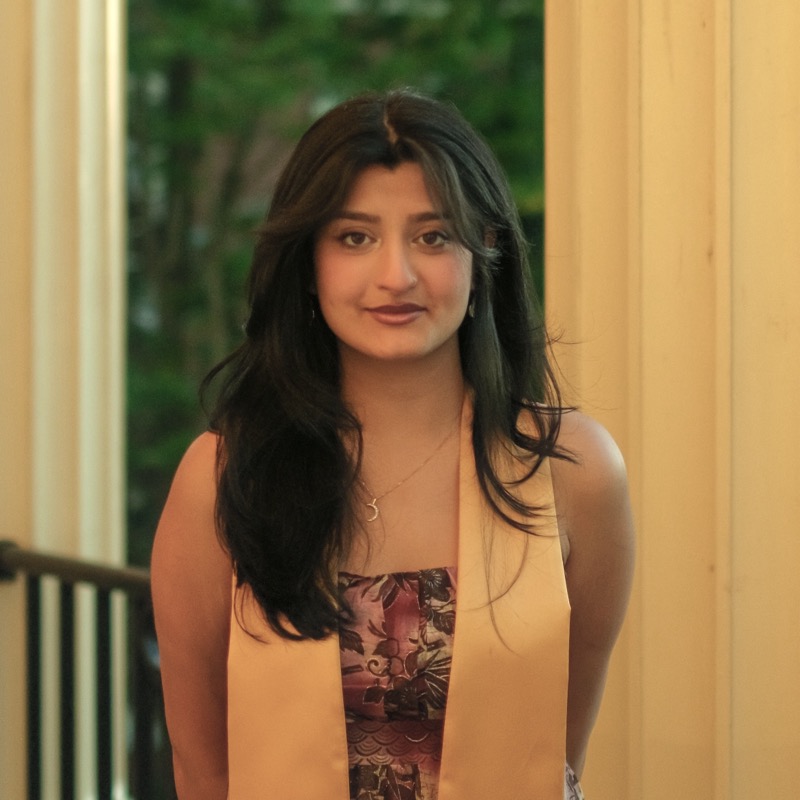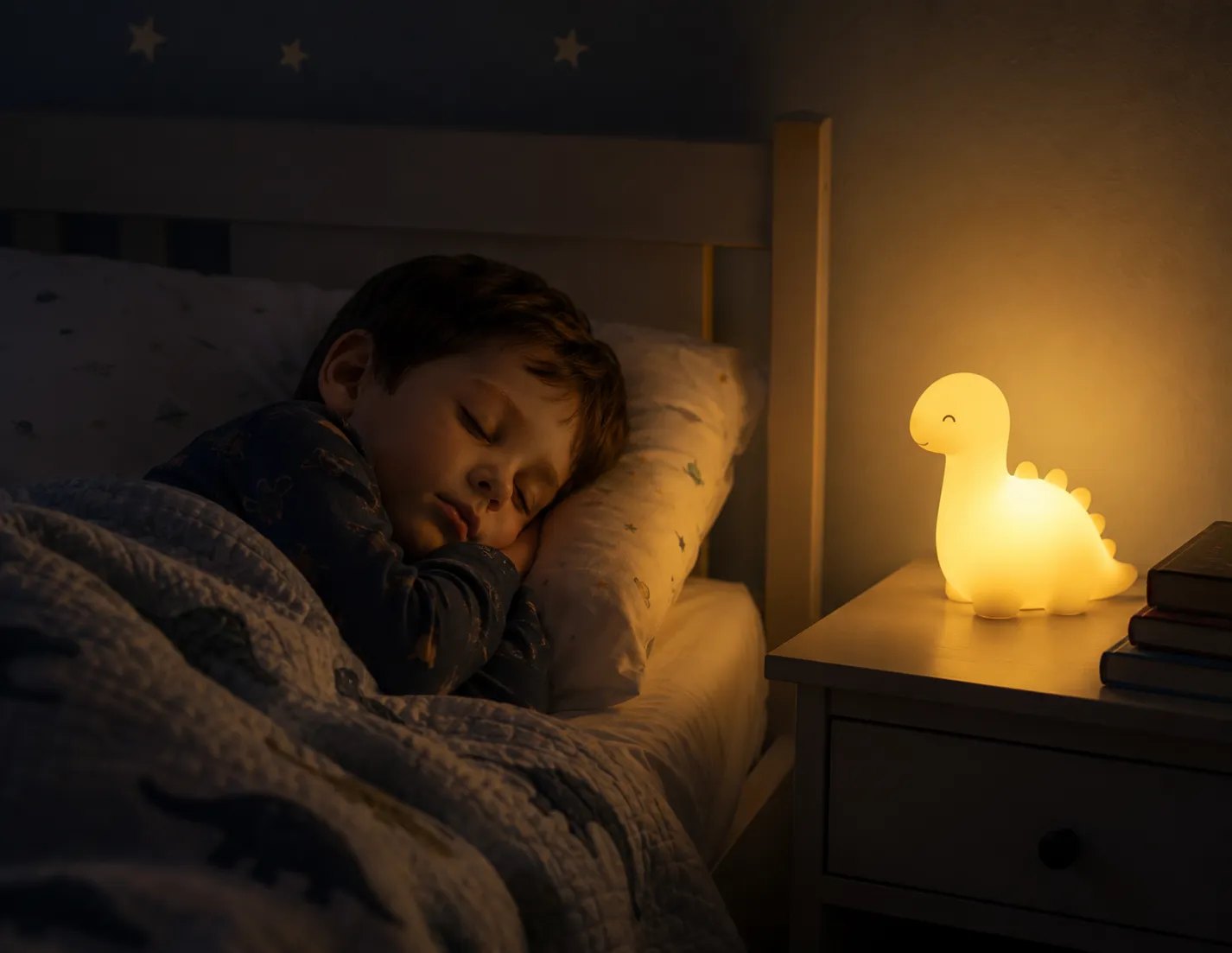
More than half of the top-rated children's nightlights on the market emit enough light to disrupt sleep, according to a peer-reviewed study co-authored by Bryn Mawr College neuroscience major Rebecca Rothstein-Epp.
The research, published April 2 in npj Biological Timing and Sleep, tested 25 popular nightlights across 79 settings and found that 56 percent produced light levels above thresholds considered appropriate for healthy nighttime sleep, even in adults. Children may be five or more times more sensitive to evening light exposure than adults, the study found.
"We often think of light in terms of vision, but it also affects nonvisual systems such as circadian rhythm," Rothstein-Epp told Bryn Mawr College in a profile published Monday, Aug. 10.
The study is the first to use melanopic equivalent daylight illuminance, or EDI, a metric that measures light's biological impact on the circadian system, to evaluate commercially available nightlights. Too much light near bedtime can delay circadian rhythms and suppress melatonin, the hormone that helps regulate sleep. Sleep disturbances in children are associated with long-term negative effects on health, learning and development, the researchers noted.
Rothstein-Epp, a junior in the Class of 2027, first joined the research team in 2023 through a competitive summer internship at the Uniformed Services University of the Health Sciences in Bethesda, Maryland. The study was led by Gena Glickman, director of the Chronobiology, Light and Sleep Lab and associate professor of psychiatry and neuroscience at USUHS.
In the lab, Rothstein-Epp learned to take photometric and radiometric measurements of nightlights and convert the data to quantify light's biological potency. She also hand-drew illustrations of the retinohypothalamic tract, the neural pathway light travels from eye to brain, and a diagram of the bedroom-like setup used in the study. She continued drafting the paper's results section while enrolled at Bryn Mawr.
Glickman said in the college's profile that Rothstein-Epp's work "places her at the cutting edge of our field."
What parents should know
The researchers are not telling parents to ditch nightlights. Children who fear the dark are also at risk for poor sleep, the study acknowledges. Instead, the findings offer guidance for choosing better products.
The bottom line: pick nightlights that emit red or amber light at a dim setting and place them out of a child's direct line of sight.
Rothstein-Epp's shorthand for the advice? "We had a joke — make it as demonic as possible," she told the college.