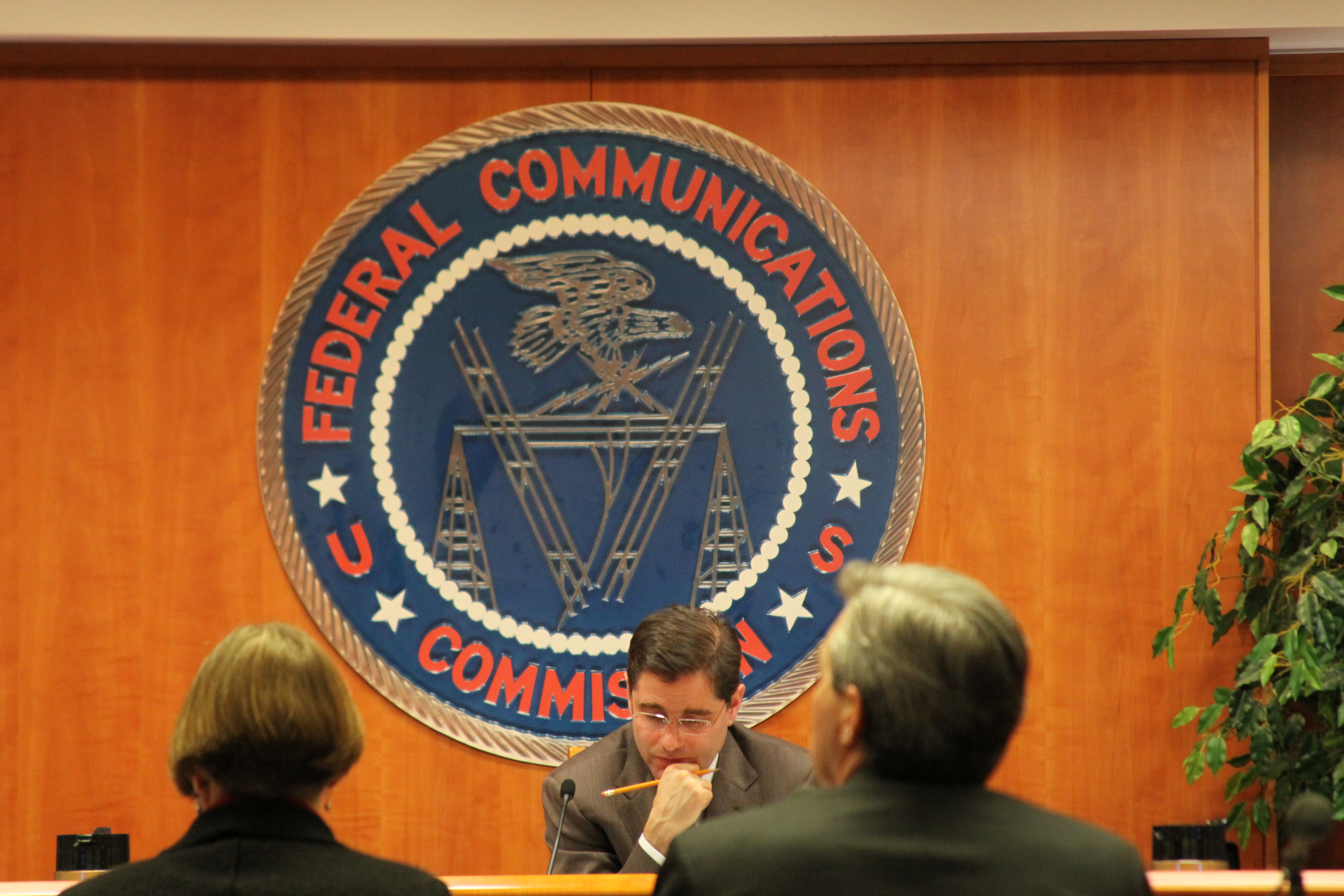
Lower Merion School District could lose a key source of internet funding under a Federal Communications Commission review now open for public comment.
The E-Rate program provides about $3 billion annually in discounts for internet service to more than 100,000 schools and 11,000 libraries, Stateline first reported. The Schools Superintendents Association calls it the fifth-largest stream of federal funding for schools nationwide.
Lower Merion School District, which enrolls about 8,600 students, has received E-Rate support in the past. An FCC order from November 2011 addressed the district's requests for review of its E-Rate funding applications. How much the district and the Lower Merion Library System currently receive through the program is not publicly available in federal records.
Congress created E-Rate in 1996, when only 14% of K-12 classrooms had internet access. Between 2021 and 2025, school districts received $10.5 billion in E-Rate support, according to the National Association of Elementary School Principals.
The FCC said it is reviewing "whether the program should be narrowed or otherwise reoriented to reflect the extent to which its connectivity objectives have been achieved." The agency is also asking whether support should be limited to rural areas or single-provider markets, and whether schools receiving E-Rate funds should be required to let parents opt their children out of screen-based instruction.
Comments are due Tuesday, Oct. 13, and reply comments are due Thursday, Nov. 12, according to the Federal Register notice.
FCC Chairman Brendan Carr said June 25 the review would be "aimed at empowering parents and ensuring that our E-Rate program produces the great educational outcomes stakeholders have intended."
The screen-time question has a direct Lower Merion connection. Several Pennsylvania families have sued the district seeking to opt their children out of required use of school computers, according to Education Week.
At a virtual town hall on Sept. 10 hosted by the superintendents association, LaTonya M. Goffney, superintendent of Aldine Independent School District in Texas, described the stakes. "If E-Rate were reduced or eliminated, Aldine ISD would face an immediate and significant budget shortfall … there's no way to absorb a loss of this magnitude without affecting people," Goffney said.
Stacy Hawthorne, executive director of EdTech Leaders Alliance, said at the same event that internet access in schools goes far beyond classroom instruction. It powers bus GPS routing, security cameras, building ventilation and attendance records.
The impact extends to libraries. Shawnda Hines, deputy director of communications for the American Library Association (ALA), said 73% of U.S. public libraries rely on E-Rate to pay their internet bills or keep networks updated. The ALA and the Schools, Health & Libraries Broadband Coalition launched a "Save Our E-Rate" campaign in June, warning that reduced funding could force libraries to choose between internet access and other services.
The U.S. Supreme Court upheld E-Rate's constitutionality in a 6-3 decision in 2025, according to The 74. Whether the FCC can eliminate a congressionally authorized program without congressional approval remains an unsettled legal question.
After the comment period closes, FCC members will draft recommendations and vote on a final rule. That process can take three months to a year. The Lower Merion School Board's next regular meeting is Monday, Oct. 19.