Two Lower Merion parents who clashed with school board members over technology policy have been banned from attending meetings in person for a year, a move the ACLU of Pennsylvania says has no legal basis.
District solicitor Kenneth Roos sent letters on Tuesday, Aug. 4, to Rebecca Foscolo and David Smyth informing them they had violated the district's civility policy and could not attend board meetings in person until June 30, 2027. Both are members of Pencils Over Pixels, a parent group pushing back on student device use.
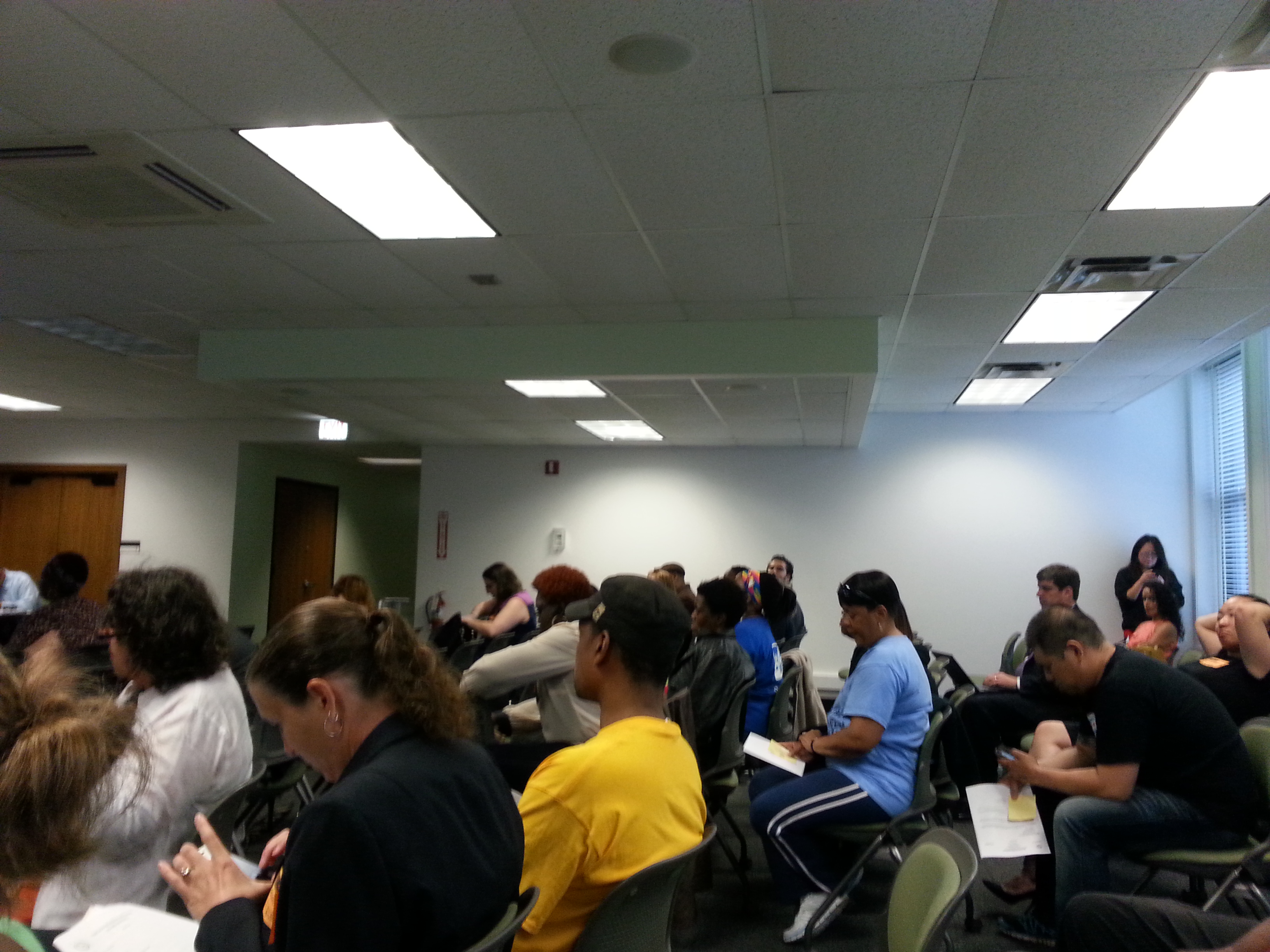
Roos's letter to Foscolo cited her conduct at the June 15 and Aug. 3 meetings, stating she "displayed disruptive and bullying behavior, including yelling at school board members and administrators while they were conducting board business," according to the Philadelphia Inquirer. The letter said her conduct "contributed to the board needing to go into recess prior to the completion of each meeting."
Under the bans, both parents may still watch meeting livestreams and submit written comments.
Sara Rose, deputy legal director of the ACLU of Pennsylvania, said the district lacks authority to impose the bans unilaterally. "Unless there's a threat of violence, there's really no basis" to bar someone from public meetings, Rose told the Inquirer. A disruptive person can be removed from a single meeting, she said, and a court could impose a longer ban if the district referred the matter to prosecutors. But the district cannot act on its own.
The ACLU has not filed suit here. It did, however, sue Souderton Area School District in November 2024 after that district banned two parents and a student from school properties. Souderton lifted its ban in March 2025. Separately, Pennsbury School District paid $300,000 in 2022 to settle a lawsuit after a federal judge found it had illegally curtailed public comments at board meetings.
Pennsylvania's Sunshine Act requires school boards to provide a "reasonable opportunity" for residents and taxpayers to comment before taking official action. The law contains no provision authorizing a board to unilaterally ban a constituent from future meetings.
District spokesperson Amy Buckman defended the actions, saying residents were advised that intentionally disrupting a lawful meeting is a criminal offense in Pennsylvania. She noted the board's committee meeting policy includes a 45-minute time limit for public comment "unless extended by the board for special circumstances."
Foscolo, who has a rising first grader and a 3-year-old, said she had repeatedly asked to meet with board president Kerry Sautner and policy committee chair Anna Shurak. When Sautner responded, she directed Foscolo to attend the Aug. 3 meeting, where public comment was cut off before Foscolo could speak.
Smyth, who has children in seventh and eighth grade, went to the microphone after the board declared public comment over on Aug. 3 and called on the board to answer how many speakers remained. He told the Inquirer he was "only disruptive to insist on continuing public comment."
Melissa Melewsky, media law counsel at the Pennsylvania NewsMedia Association, also questioned the district's decision to end public comment after 45 minutes at the Aug. 3 meeting. She said if there is not enough time to hear everyone on a controversial issue, agencies are supposed to schedule another meeting and delay any proposed action.
The bans come as the district announced Saturday, Aug. 15, that its Monday, Aug. 17 board meeting will be held virtually only, citing "disruptions at two recent meetings" and unspecified "threatening comments on social media pages." The board is expected to vote at that meeting on a K-12 technology policy that would eliminate personal devices for kindergarten through second grade.
"We do not pay premium local taxes to have this insulting, rubber-stamp school board governance," parent Matthew Posey said at the Aug. 3 meeting, as reported by the Inquirer on Aug. 4. He accused the board of treating months of public comment as "an inconvenience to be managed."