The Lower Merion School Board scaled back student screen time across all grade levels on Aug. 17, eliminating individual device assignments for the youngest students and giving parents new tools to limit technology at home before the Sept. 8 start of school.
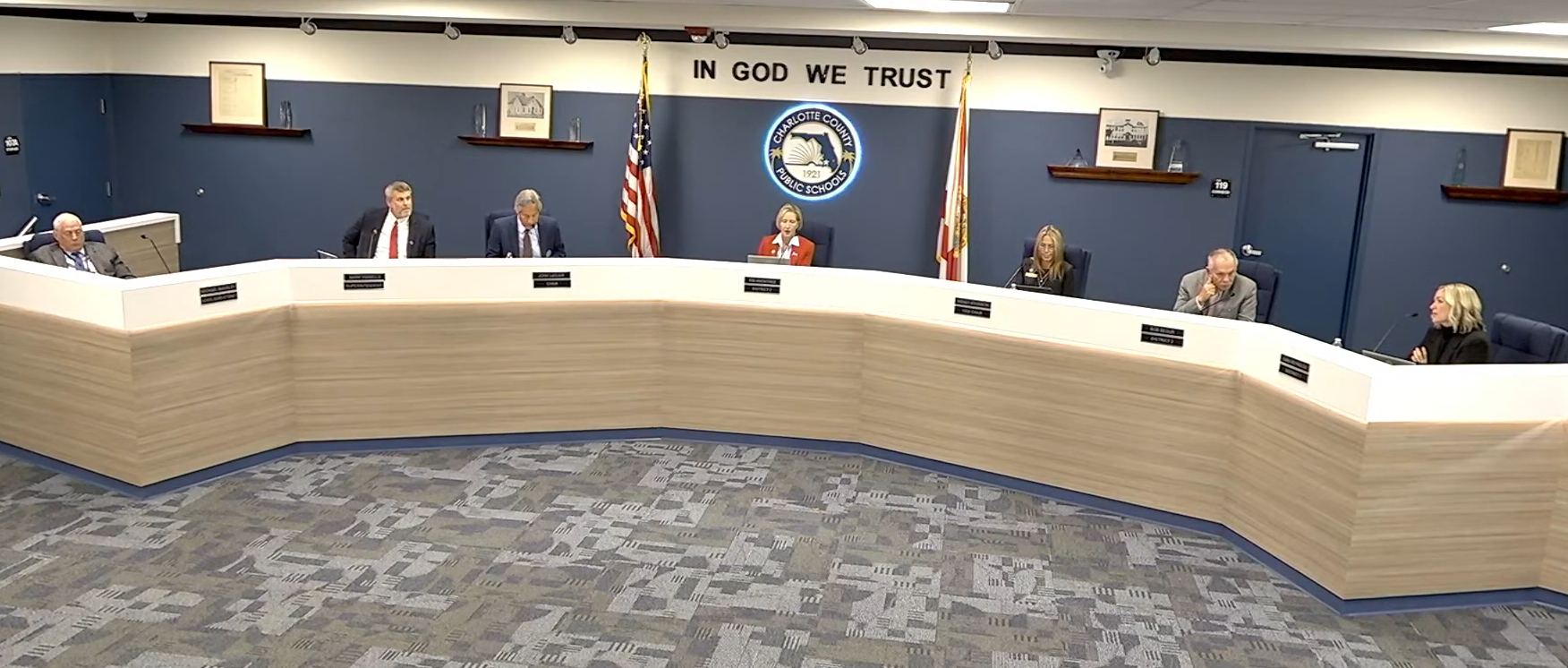
The policy passed 7-2. Board members Sarah Thomas and Abby Rubin voted no. The meeting was held entirely on Zoom after board president Kerry Sautner cited social media threats against board members and administrators, along with disruptions that forced three recesses at recent in-person meetings.
No members of the public could be seen or heard during the virtual session. District Solicitor Ken Roos read more than 40 written comments aloud. The heavy majority opposed the policy and called for tighter restrictions, according to Patch.
What the new rules mean for families
The grade-band breakdown, effective when school opens Sept. 8:
- Grades K–2: No individual devices issued; technology will not be used for routine classroom instruction.
- Grades 3–4: Limited, teacher-supervised access; devices stay in the classroom and do not go home.
- Grades 5–6: Students receive devices and may take them home, but parents can oppose homework assigned on school-provided devices.
- Grades 7–8: Devices issued for instructional use during the school day; students carry them to and from school.
- Grades 9–12: Individual devices assigned for approved instructional purposes and school-related work throughout the day.
The policy reversed a June board vote that had forbidden parents from opting their children out of school-issued technology. More than 800 parents had signed a petition seeking that opt-out right, the Philadelphia Inquirer reported.
Dissent and the Zoom-only decision
Rubin, one of two no votes, questioned the decision to hold the meeting virtually without consulting the full board. She said she heard about the threats from the board president but had not seen them herself.
"Safety is our No. 1 priority, but determining what threatens that safety is a decision that should be arrived at after thoughtful deliberations by the full board," Rubin said at the Aug. 17 meeting.
Before casting her vote, Rubin read a statement from Pencils Over Pixels, the parent group behind the 800-signature petition.
Board member Jason Herman, who voted yes, called the policy a step forward. He said it "incorporates parents' concerns" and "reduces technology in the classroom," while noting that policies "like all policies, are works in progress" that the board will continue to revise.
What comes next
Dr. Frank Ranelli, the district superintendent, sent a letter to families on Aug. 24 introducing Securly Classroom, a tool teachers will use to monitor device activity during class, and Securly Home, an opt-in service parents can activate through the PowerSchool Parent Portal to monitor online activity and set time limits on district devices at home.
The district also banned two parents, Rebecca Foscolo and David Smyth, from attending in-person board meetings for one year, citing civility-policy violations at the June 15 and Aug. 3 meetings. ACLU of Pennsylvania attorney Sara Rose has questioned the legality of those bans, according to the Inquirer.
The new policy details were also reported by Mainline Media News. Families can access the new monitoring tools through PowerSchool beginning Sept. 8.