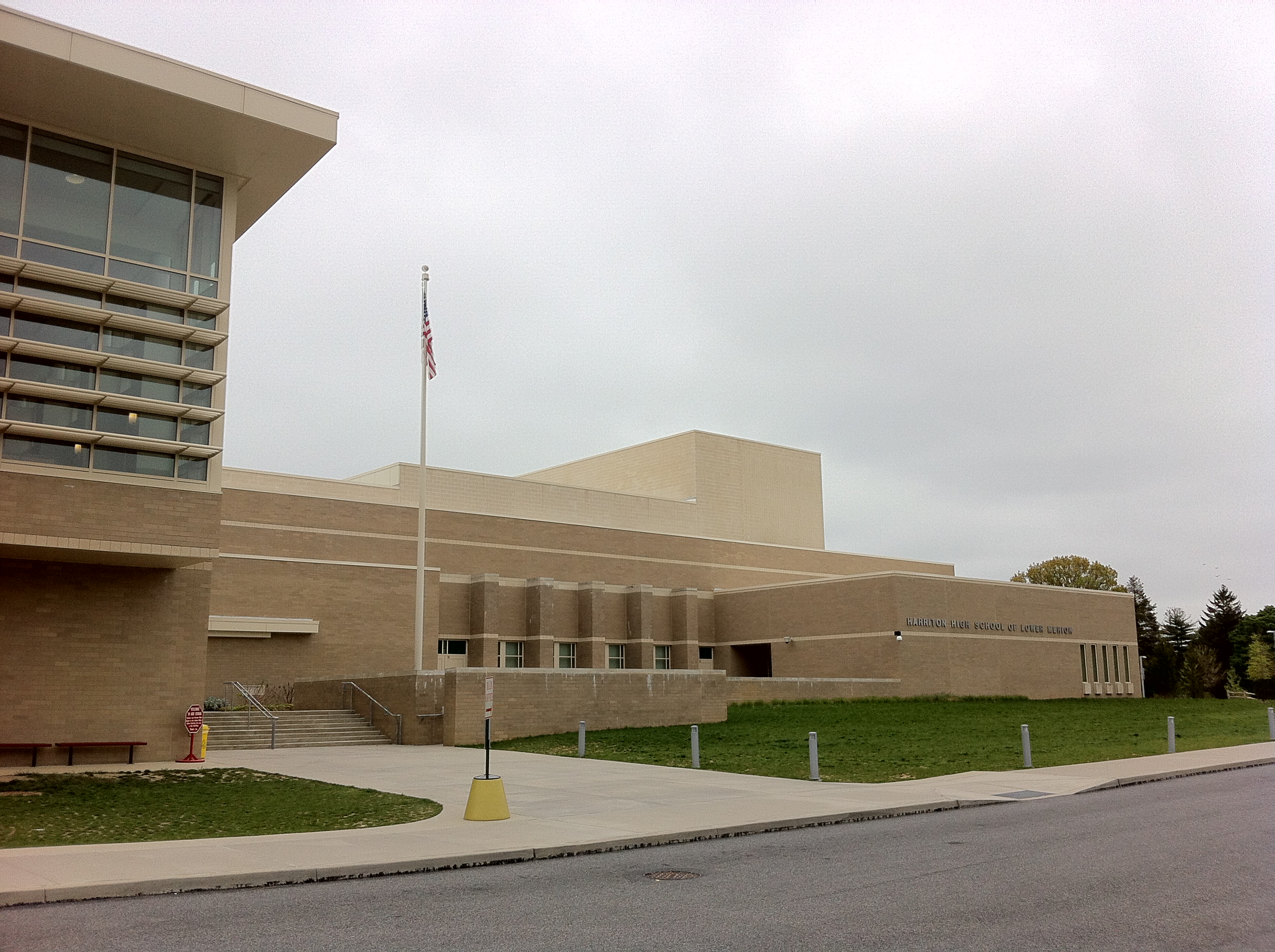
The Lower Merion School District on Saturday, Aug. 29, denied allegations in a federal lawsuit challenging its elimination of the technology opt-out policy.
Seven families filed the 116-page complaint in U.S. District Court for the Eastern District of Pennsylvania. The district, in a written statement, said not all plaintiffs have children enrolled in its schools and that it denies the allegations and will respond through the judicial process.
As we reported Aug. 28, the suit names every school board member and Superintendent Frank Ranelli. The families, represented by the EdTech Law Center and Philadelphia firm Anapol Weiss, are asking a federal judge to issue an injunction preserving the old opt-out policy before classes begin Tuesday, Sept. 8.
Of the seven plaintiff families, three have children currently enrolled. Three withdrew their children because of the policy. One family decided not to enroll at all, the Philadelphia Inquirer reported. The families also seek an order barring the district from retaliating against plaintiffs.
What the new policy requires
The school board approved the replacement technology policy on a 7-2 vote Aug. 17, with board members Sarah Thomas and Abby Rubin opposing. The board had voted in June to repeal the former policy, known as Policy 137, which required the district to accommodate families who declined a device.
Under the new rules, according to Mainline Media News:
- Kindergarten through second-grade students will not receive individual devices. Technology use will be limited to tasks like testing.
- Third- and fourth-graders will share classroom devices.
- Fifth- and sixth-graders will be issued devices but will not take them home.
- Seventh- and eighth-graders will be issued devices for school use and may carry them home.
- High school students will use individually assigned devices for less than 120 minutes per day and can take them home.
No grade level retains the ability to decline a device entirely.
Complaint alleges early refusals
The lawsuit alleges that even before the board formally repealed the opt-out policy, Ranelli instructed principals to refuse accommodations for families who declined devices.
An April 9 email obtained through a Right-to-Know request was read aloud at an Aug. 3 policy committee meeting. In it, Ranelli wrote that the district wanted to ensure "the board sees the vision in not allowing parents to totally 'opt out' of getting a device …" Board President Kerry Sautner replied the next day: "Got it."
EdTech Law Center attorney Andrew Liddell told the Inquirer on Aug. 27 that the suit targets "a school board, or at least seven members of the school board and a superintendent, who are determined to press forward with this policy that really does harm kids."
More than 800 parents signed a petition through the parent group Pencils Over Pixels supporting the right to opt out, according to the Inquirer. The Aug. 17 board vote was held entirely over Zoom after officials cited social media threats against board members and disruptions at recent meetings.
No court hearing date has been set. Classes begin Sept. 8.