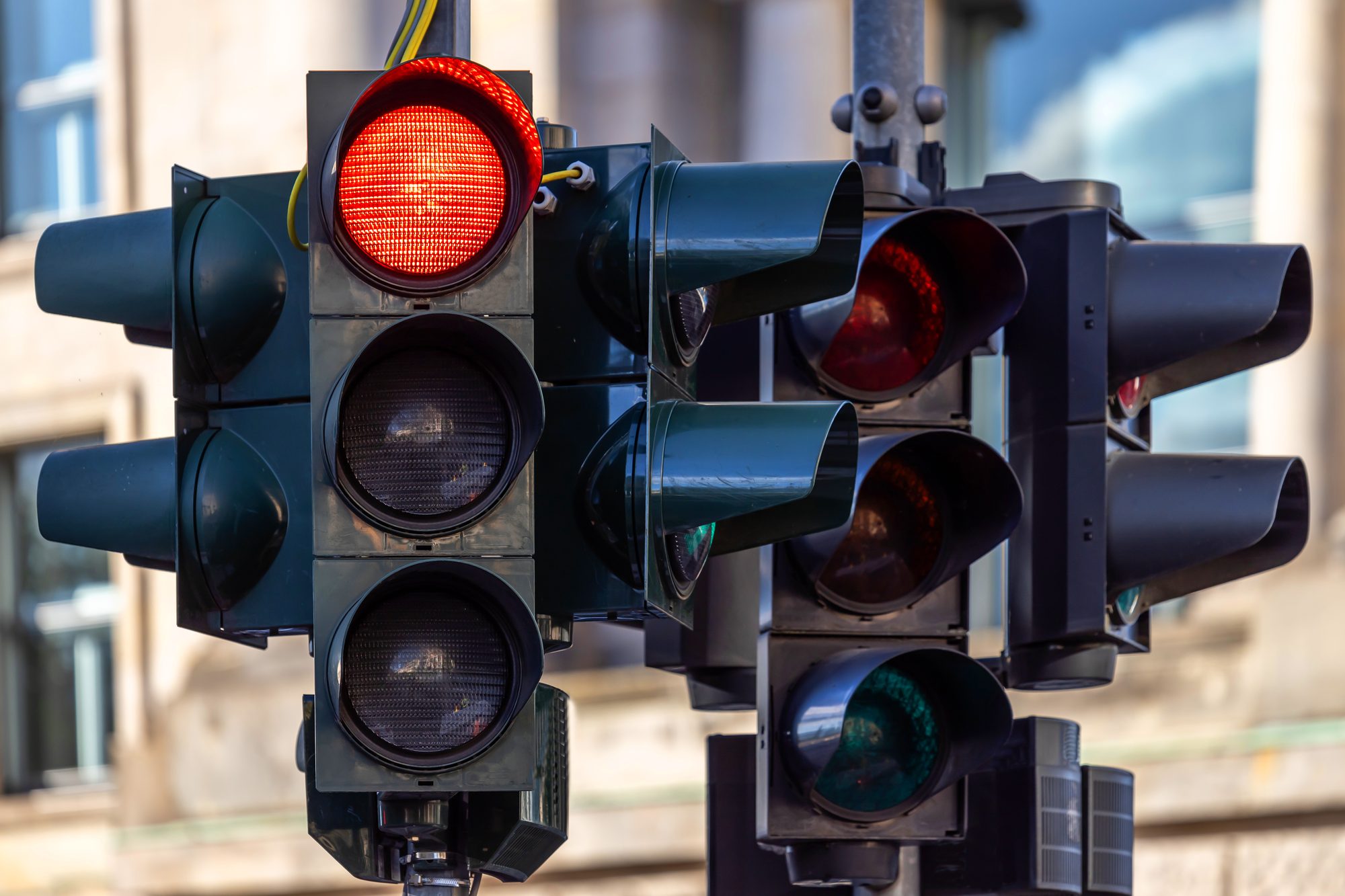
Lower Merion's red-light cameras at Lancaster Avenue and Remington Road have generated 663 citations since fines took effect July 13. Superintendent of Police Andy Block confirmed the count.
The township is now weighing cameras at two more intersections. The township estimates the three-site system could initially generate about $24 million in annual revenue, dropping to roughly $8 million as drivers adjust their behavior.
The Philadelphia Inquirer reported the citation total as of Tuesday, Aug. 25. Block told the Inquirer in an email that using the automated cameras "provides additional safety for our motorists traveling in the township."
The cameras went live in spring 2026, triggering a 60-day warning period. During that stretch, 936 warnings were issued before the $100 fines kicked in, Block said at a June 8 Federation of Civics meeting.
Each violation carries a $100 fine but does not affect driving records, insurance rates, or commercial licenses. Drivers can contest citations at an in-person municipal hearing.
Expansion under consideration
The township is evaluating cameras at Montgomery Avenue and Airdale Road and at Lancaster Avenue and Haverford Station Road. Block told the Federation of Civics that the Lancaster Avenue and Haverford Station Road site would come first.
No date has been set for a commissioners vote on the expansion.
Where the money goes
Lower Merion will not keep the money. Collected funds cover administrative costs first, with the remainder flowing to a Pennsylvania state fund that supports transportation enhancement projects statewide. Municipalities in the program receive priority status when applying for state transportation grants.
Safety context
Nearly 3,800 vehicle crashes were reported in Lower Merion between 2019 and 2023, according to a township document cited by the Inquirer. In 2025 alone, 1,149 reportable crashes occurred in the township, three of them fatal, Block told the Federation of Civics.
Under the township's ordinance, the cameras can be used only for red-light violations, not general surveillance. Photo and video evidence must be destroyed within 30 days of a violation being settled and cannot be released under Right to Know requests.
Pennsylvania's automated red-light camera program is set to expire in July 2027 unless the state legislature renews it.