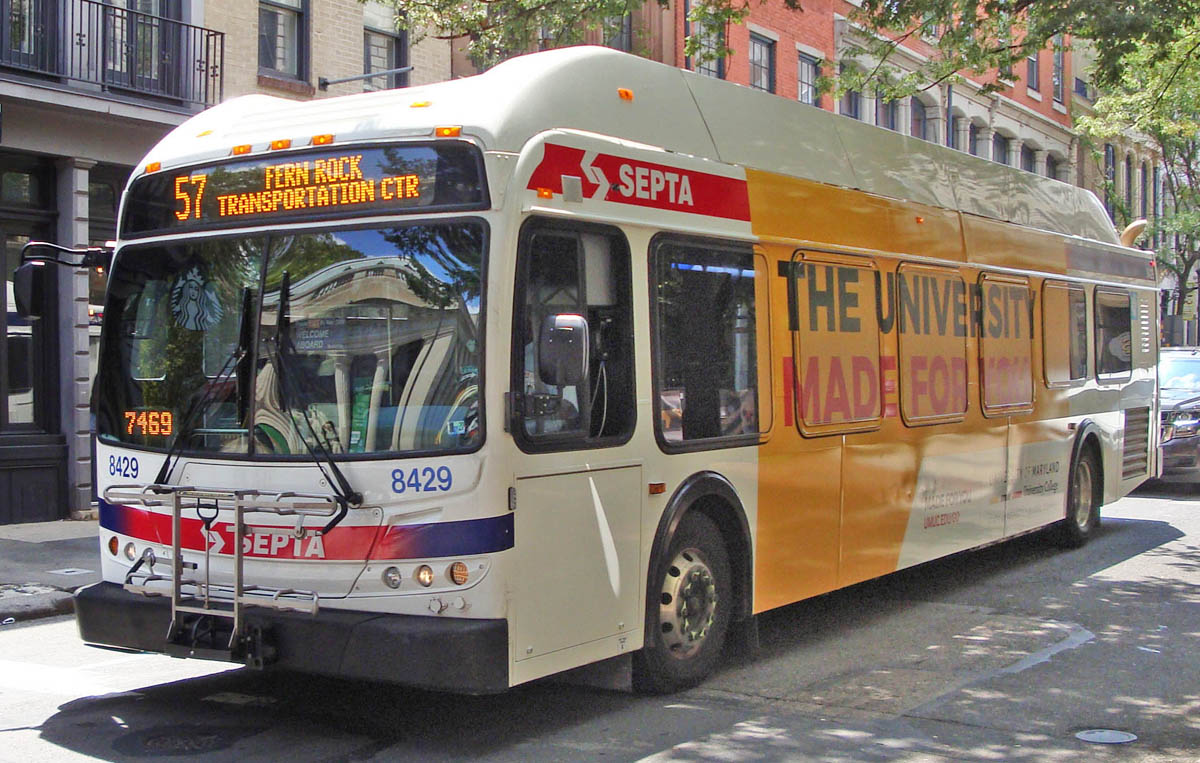
Penn Wynne residents lost their only bus connection Monday when SEPTA permanently discontinued Route 106 as part of the agency's sweeping network redesign. According to the township's notice, no alternative bus service exists for the neighborhood.
The Route 106 elimination is part of a package of changes that hit Lower Merion Township on Aug. 24, the first weekday of SEPTA's New Bus Network Phase 1. The township posted its notice Aug. 21 warning that four bus routes serving the Lancaster Avenue corridor would be affected. SEPTA recommends displaced Route 106 riders use the extended Route 105 or the Paoli/Thorndale Regional Rail line, but neither reaches Penn Wynne.
Gladwyne also lost all bus access.
Route 44, which ran from Front and Market streets to Ardmore, no longer serves Gladwyne and now limits Narberth service to weekday morning rush hours only. Route 52, which previously continued past City Avenue into Lower Merion, now terminates at the Wissahickon Transit Center, eliminating its historical service into Gladwyne.
The one bright spot along the corridor: Route 105, running from 69th Street Transit Center to Paoli Hospital, gained increased frequency. SEPTA rerouted it in Overbrook from Malvern and Lancaster avenues to City and Haverford avenues.
SEPTA reported no problems on Sunday, Aug. 23, when Phase 1 launched across 30 routes systemwide. Seven routes were discontinued, two new ones added, and 13,000 new signs installed. The agency deployed ambassadors at transit hubs starting Tuesday, Aug. 25, to help riders navigate the changes.
SEPTA General Manager Scott Sauer said in a statement ahead of the launch that the changes aim to improve reliability and service frequency, and that new maps and signs will help riders navigate the system.
The overhaul is the first comprehensive bus network redesign in SEPTA's more than 60-year history, driven by a 13% ridership decline from 2013 to 2019. The SEPTA Board adopted the plan in May 2024 after collecting feedback from more than 20,000 residents over three years of public engagement. A one-time flex of $394 million in state capital assistance funds allowed the agency to maintain service levels during the transition.
Brandon Miller, SEPTA's manager of planning programs, told the Philadelphia Inquirer on Aug. 17 that the final outreach push before launch was "a blitz."
Phase 2 is scheduled for February 2027, with Phase 3 in June 2027 and Phase 4 in fall 2027. When all phases are complete, SEPTA says the number of routes offering service every 15 minutes or better will grow from eight to 29.
Riders can check updated schedules on SEPTA.org, the SEPTA app, Google Maps, Apple Maps and the Transit app. SEPTA customer service is available at 215-580-7800.
No Lower Merion Township commissioner or township manager has commented publicly on the service losses. No Board of Commissioners meeting or public comment deadline related to the changes has been announced.