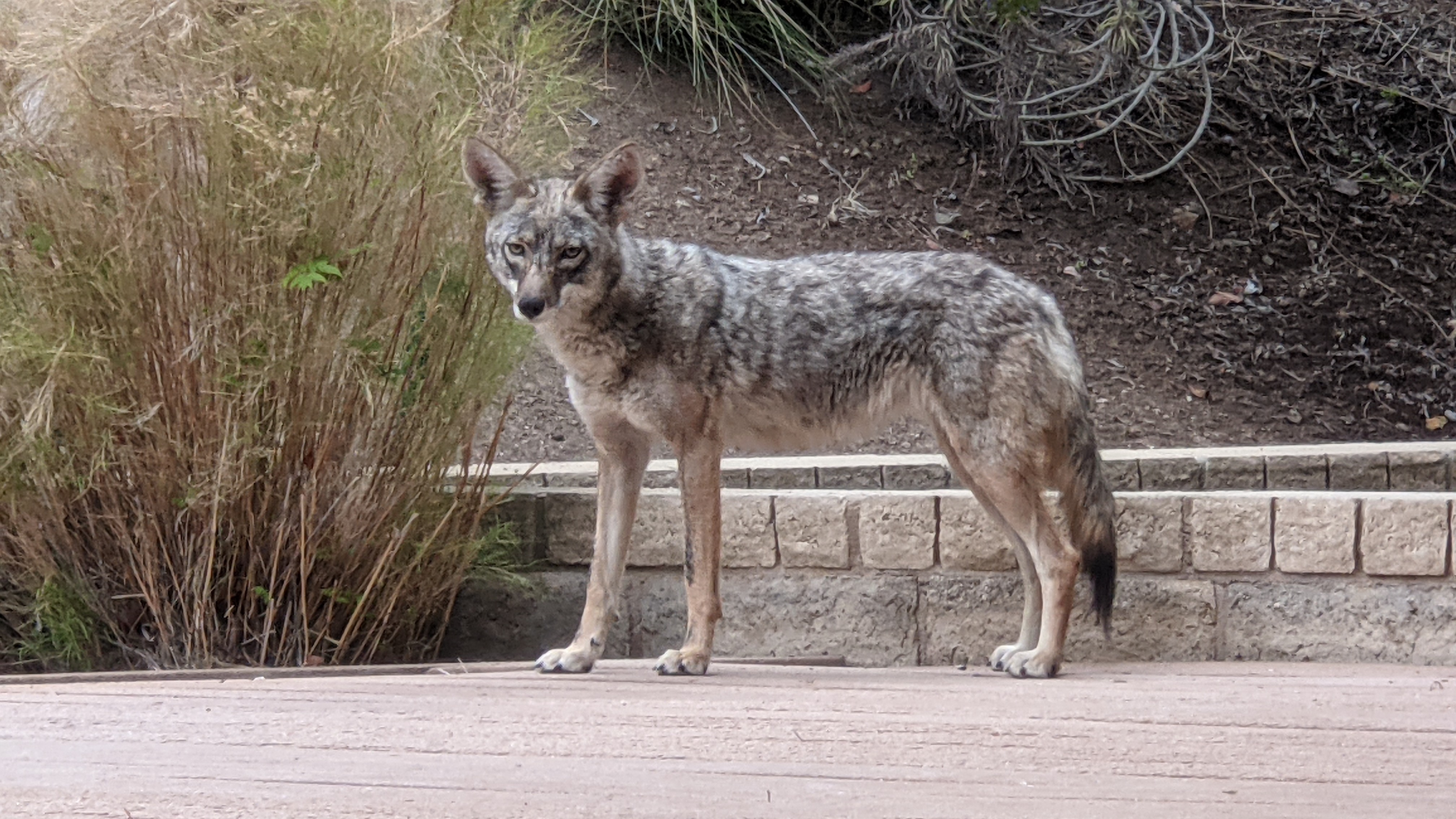
Lower Merion residents have a close-to-home reason to heed a new federal rabies warning: a coyote that attacked a person and a dog in neighboring Cheltenham Township tested positive for rabies in August.
Cheltenham borders Lower Merion in Montgomery County. The coyote was killed by police after multiple reports of aggressive behavior in the Wyncote section of Cheltenham, near Curtis Park, Hopeland Road, Washington Lane and Rock Creek Drive, 6abc reported. The animal had attacked a resident and a dog at Curtis Dog Park before officers and the Pennsylvania Game Commission intervened.
On Aug. 26, Cheltenham Township Police confirmed the coyote tested positive for rabies. Police Chief Richard Schaffer told the Philadelphia Inquirer the animal was "humanely dispatched" but declined to describe the method.
The case was the fifth confirmed rabies case in Montgomery County in 2026 and the first in a coyote, according to the state's rabies tracking dashboard. The other four involved two raccoons, a skunk and a cat.
CDC flags national surge
The Centers for Disease Control and Prevention issued a health advisory on Sept. 10 reporting a 17% jump in rabies-related inquiries during July and August compared with the same period in 2025. At least eight state health departments reported increased use of preventive treatment, errors in administering it, or both.
Pharmacy data through Sept. 2 showed rabies vaccine use up an estimated 33% and immune globulin use up 76% over the prior year.
Statewide, Pennsylvania had recorded 205 confirmed animal rabies cases as of July 31, according to the Pennsylvania Department of Health dashboard as reported by the Evening Sun. Raccoons led with 79 cases, followed by bats at 39, cats at 30 and skunks at 16.
What residents should know
Rabies is nearly always fatal. It is preventable when post-exposure prophylaxis, or PEP, is given before symptoms start. An infected animal can spread the virus through bites, scratches or saliva entering an open wound.
A typical course of PEP costs between $11,000 and $14,000 per person, according to the CDC. About 100,000 Americans receive PEP each year. The agency said there is no current shortage of rabies vaccine or immune globulin.
Pennsylvania law requires all domestic cats, dogs and ferrets to be vaccinated against rabies. The CDC recommends keeping pets current on vaccinations and away from wildlife.
Anyone bitten or scratched by wildlife or an animal acting strangely should wash the wound with soap and water for 15 minutes and contact a medical provider. Residents who suspect exposure can call the Pennsylvania Department of Health at 877-PA-HEALTH (877-724-3258). The Montgomery County Office of Public Health can be reached at (610) 278-5117.
Residents who see wildlife acting erratically should call 911.