Lower Merion's state senator voted for Pennsylvania's $50.849 billion budget on Monday, but called the deal's failure to secure long-term SEPTA funding her biggest disappointment for district residents.
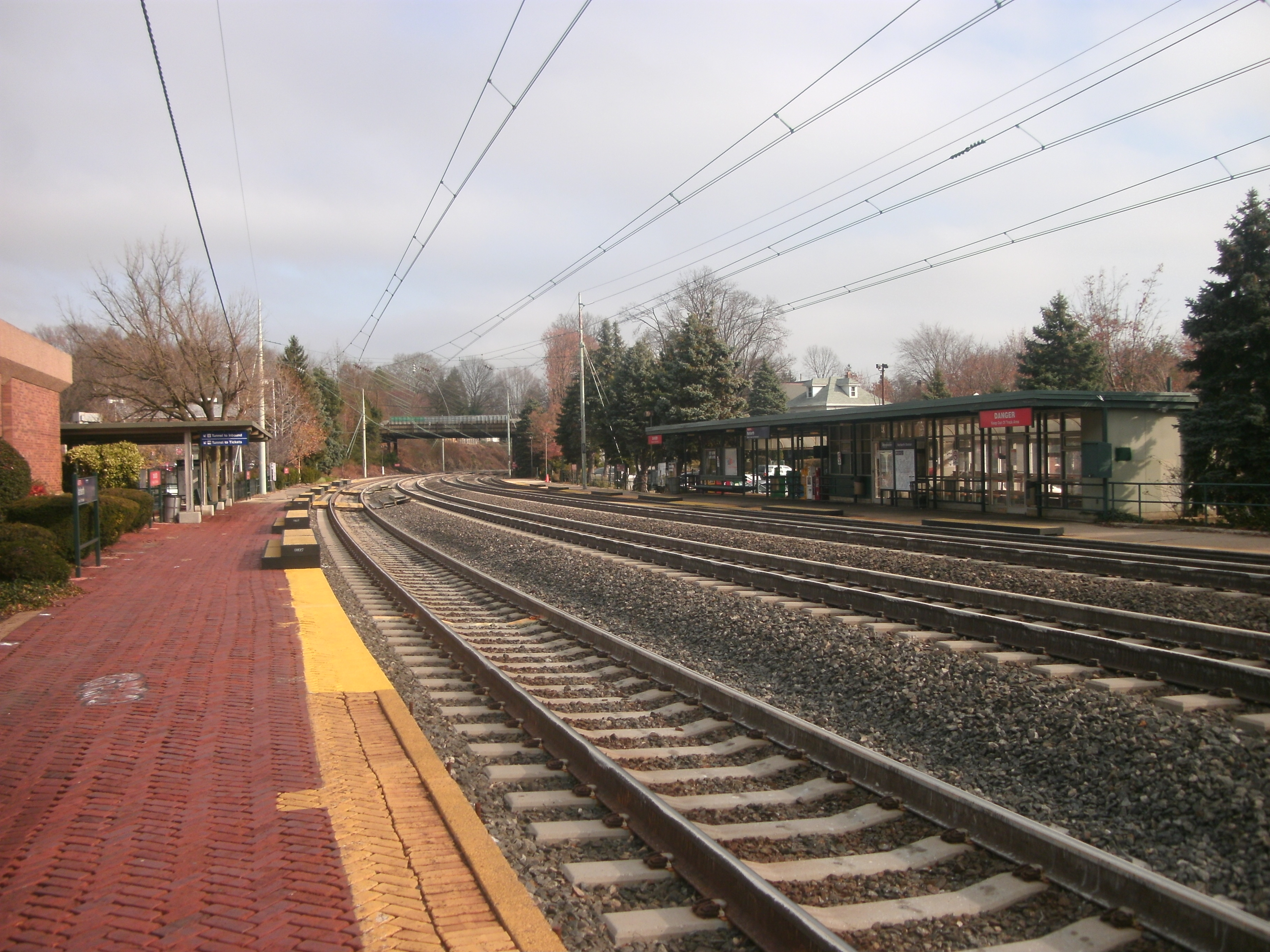
Sen. Amanda Cappelletti (D-Montgomery/Delaware), whose District 17 covers Lower Merion Township, said the budget includes wins for childcare workers and taxpayers. But it punts the transit question to the fall legislative session, leaving riders on the Paoli/Thorndale Regional Rail line without a guarantee of stable service beyond a two-year stopgap approved in 2025.
SEPTA's unresolved crisis
Cappelletti said the new budget includes no sustainable transit funding.
"Public transit is a public good, not a luxury," Cappelletti said in a statement. "We cannot allow this essential infrastructure to crumble."
The stakes are familiar to Main Line commuters. In August 2025, SEPTA implemented service cuts after facing a $213 million shortfall, eliminating 32 bus routes, shortening 16 others, reducing Regional Rail frequency and hiking fares by 21.5%. The Paoli/Thorndale line was among those hit.
SEPTA General Manager Scott Sauer secured roughly $400 million from a special capital fund in September 2025 to restore service for two years. He called it "a Band-Aid."
"These cuts and fare increases are a *direct* result of Senate Republican inaction and plain failure to do their job for every Pennsylvanian. This is reversible, and I will continue to fight in Harrisburg for a sustainable, responsible budget that keeps our trains, buses, and trolleys moving forward," Cappelletti wrote on her Facebook. "While we wait for Senate Republicans to get a grip and do their jobs, here are some important dates, tools, and resources to help you navigate the current circumstances. And, know that my office is always here should you have questions or want to voice your concerns."
Statewide investments Cappelletti highlighted
The budget passed the House 167-35 and reached Gov. Josh Shapiro's desk 12 days past the constitutional June 30 deadline. The deal was negotiated largely between Shapiro, House Majority Leader Matt Bradford (D-Montgomery) and Senate Majority Leader Joe Pittman (R-Indiana), according to the Inquirer.
Cappelletti pointed to several provisions in her statement:
- $30 million for childcare worker retention bonuses, serving more than 55,000 workers statewide
- Continuation of the Child and Dependent Care Enhancement Tax Credit
- More than $200 million in Working Pennsylvanians Tax Credit relief for nearly one million residents
- $10 million for the 988 Suicide and Crisis Lifeline network
- $24.1 million for rape crisis centers, doubling previous funding
Revenue concerns
Cappelletti said the budget relies on one-time revenue streams and fund transfers rather than sustainable sources. Proposals to tax large tech corporations, raise the minimum wage, and legalize recreational marijuana were left out of the final deal.
What's next
Cappelletti said transit funding will be taken up when the General Assembly reconvenes in the fall. No specific session date has been announced.