Gov. Josh Shapiro signed a new law on Sunday that sets clear rules for how Pennsylvania's Parole Board handles records after denying someone parole, a measure authored by Lower Merion's state senator that passed both chambers without a single "no" vote.
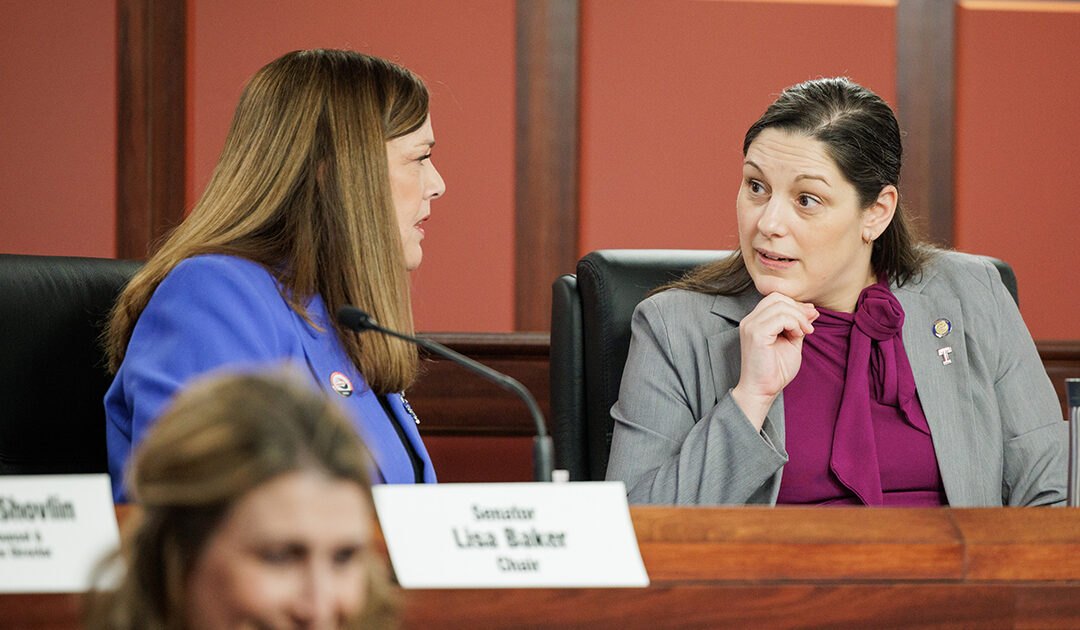
Senate Bill 1259, now Act No. 26 of 2026, was introduced by Sen. Amanda M. Cappelletti (D-17, Delaware/Montgomery) and co-prime sponsored by Sen. Lisa Baker (R-20), the Republican chair of the Senate Judiciary Committee. Cappelletti serves as the committee's Democratic chair. The bill passed the Senate unanimously on June 2 and cleared the House unanimously on June 30.
The law does two things.
First, it creates a narrow privilege protecting certain internal Parole Board deliberation records from public disclosure. Cappelletti's office said recent legal developments had left it unclear which parole review documents could be released, raising risks of inconsistent disclosure and potential safety threats to individuals connected to those records.
Second, the law requires the Parole Board to give denied applicants specific feedback, including areas like programming, behavior and compliance standards, so they know what to work on before their next review.
"Board members must be able to conduct candid and thorough deliberations without concern that their internal discussions will be made public," Baker said in a statement. "This legislation restores important protections for confidential parole board records while ensuring inmates receive meaningful feedback about parole decisions."
The bipartisan pairing of both Judiciary Committee chairs as co-sponsors helped the bill move quickly. Cappelletti represents the 17th Senatorial District, which includes Lower Merion and eight other Montgomery County municipalities. She introduced SB 1259 on April 1, and Shapiro signed it into law just over three months later.
Baker, whose district covers five northeastern Pennsylvania counties, called the measure necessary to "preserve the integrity of the parole process and support the board's ability to make informed decisions that keep our communities safe."