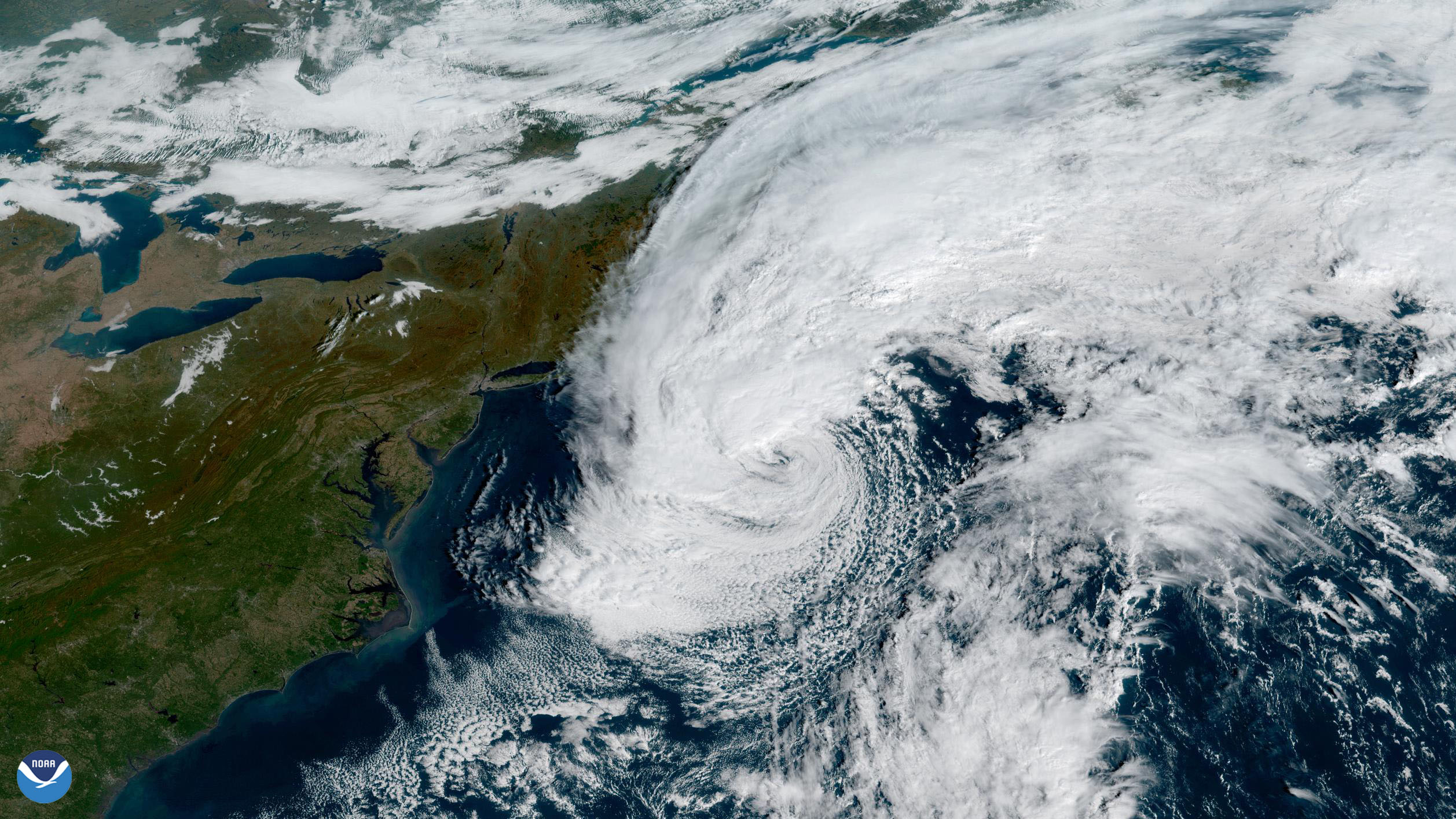
Subtropical Storm Josephine stayed offshore as it pushed up the Eastern Seaboard, sparing Lower Merion from direct impact. The storm carried 65 mph sustained winds and brought coastal flooding to mid-Atlantic shorelines, the Associated Press reported on Thursday, Oct. 22.
But for an inland township that has already spent $1.2 million more than budgeted on storm cleanup this year, any new storm draws attention.
The National Hurricane Center (NHC) described Josephine as a "powerful extratropical low" that remained in the Atlantic. The NHC said the storm was forecast to continue moving away from the United States and could strengthen into a cyclone with hurricane-force winds by Friday, Oct. 23, well offshore.
The National Weather Service (NWS) posted a gale warning for parts of the Northeast and mid-Atlantic coast, meaning winds above 39 mph were possible through midmorning Friday. Large swells that could create life-threatening surf and rip current conditions were possible along the coast up to Atlantic Canada.
Inland areas largely spared
The NWS office in Mount Holly, which covers the Philadelphia region, said conditions were "noticeably less windy along the coast as Josephine moves away." Minor tidal flooding could still occur at high tide, the office said.
Before the storm was officially named, the NWS had noted that the offshore system would bring "little if any impact inland." After the naming, the office confirmed that local impacts would not change.
No rain was expected, even at the coast.
A year of storm costs
Josephine arrives at the end of a 2026 that has already strained Lower Merion's storm-response budget. In July, a series of at least four severe microbursts ripped a 12-mile path from Lower Merion to West and South Philadelphia, bringing straight-line winds of 60 to 70 mph, Main Line Media News reported. The township declared a state of emergency on July 11. At least 55 streets were blocked or partially blocked by downed trees, and nearly 7,500 customers lost power.
Those July storms and severe winter weather earlier in the year pushed the township $1.2 million over its budgeted storm-response spending, Township Manager Ernie McNeely said during September budget discussions, as Patch reported. The overage is one of several financial pressures facing the township heading into 2027 budget talks.
In coverage published in September, McNeely said, "there will again be pressure for a tax rate increase." Lower Merion raised its real estate tax rate by 6.5% for 2025 and another 8% for 2026, after holding the rate flat for more than a decade.
The NWS said cooler air would arrive for the start of the weekend, with frost potential across the region.